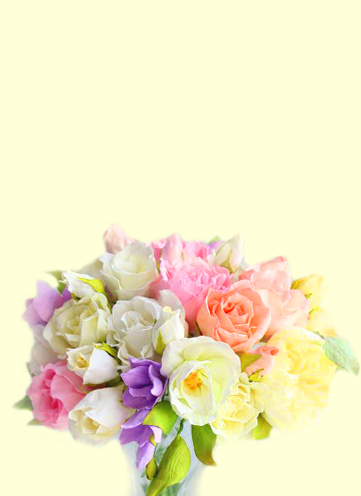
Revealing the Personal Significance of Your Birth Month Flower
Posted on 09/06/2025
Revealing the Personal Significance of Your Birth Month Flower
Have you ever wondered what your birth month flower says about you? Just like birthstones and zodiac signs, birth month flowers offer unique meanings and symbolism that can reveal intriguing insights into your personality and life path. In this in-depth guide, we'll explore the personal significance of each birth month flower--and how understanding yours can deepen your self-awareness and connection to the natural world.

Why Birth Month Flowers Matter: More Than Just a Pretty Bloom
Flowers have long been treasured for their beauty, fragrance, and symbolism. Across cultures and centuries, specific flowers have come to represent different sentiments, attributes, and even stories. Your birth month flower carries special meaning, reflecting both the characteristic energy of the month you were born and deeper truths about your nature.
Throughout history, giving or receiving a birth flower has been a gesture wrapped in personal significance. From Victorian floriography to modern interpretations, each birth flower meaning has its own tale to tell. By learning more about your own, you can discover qualities you may not even realize you possess.
A Comprehensive Guide to Birth Month Flowers and Their Meanings
Let's take a month-by-month journey to reveal the personal significance of your birth month flower. For each month, you'll find the traditional birth flower, its unique symbolism, and what it may say about your inner world.
January: Carnation and Snowdrop
- Carnation: Admired for its ruffled petals and variety of colors, the carnation symbolizes admiration, distinction, and deep love.
- Snowdrop: Delicate yet resilient, snowdrops signal hope and renewal in the coldest season.
If you're a January baby, your association with the carnation suggests you have a quietly powerful spirit that people admire. Like the snowdrop, your presence brightens even the most challenging times, and you excel at offering hope and comfort to those around you.
February: Violet and Primrose
- Violet: Symbolizing modesty, faithfulness, and humility, violets are understated yet captivating.
- Primrose: These flowers stand for young love and new beginnings.
Born in February? The violet suggests you are genuine, thoughtful, and loyal to your close circle. You value sincerity over drama, and your unassuming nature only adds to your charm.
March: Daffodil
- Daffodil: Also known as narcissus, the daffodil symbolizes rebirth, hope, and prosperity.
March-born individuals are associated with resilience and optimism. The daffodil's annual emergence mirrors your ability to bounce back and embrace new opportunities. You naturally uplift those around you.
April: Daisy and Sweet Pea
- Daisy: Represents innocence, purity, and loyal love.
- Sweet Pea: Symbolizes blissful pleasure and gratitude.
If April is your month, you exude light-hearted positivity and a spirit of gratitude. Daisies reflect your honest, refreshing outlook, while sweet peas reveal your deep appreciation for life's sweet moments.
May: Lily of the Valley and Hawthorn
- Lily of the Valley: Stands for humility, sweetness, and a return to happiness.
- Hawthorn: Symbolic of hope and supreme happiness, hawthorn blooms coincide with May Day festivities.
May-born individuals are often gentle, nurturing, and deeply compassionate. Like the lily of the valley, your aura brings comfort, peace, and simple joy to those you encounter.
June: Rose and Honeysuckle
- Rose: A universal symbol of love, passion, and beauty--its meaning varies by color.
- Honeysuckle: Symbolizes devoted affection and sweet disposition.
If you celebrate your birthday in June, roses show your capacity for deep connections and passionate pursuits. Your warmth and charm are irresistible, drawing others into meaningful relationships.
July: Larkspur and Water Lily
- Larkspur: Represents positivity, open-heartedness, and grace.
- Water Lily: Symbolizes purity, majesty, and enlightenment.
July marks individuals who are creative, optimistic, and expressive. Larkspur's tall, vibrant spikes reflect your confidence, while the serene water lily underscores your calm and spiritual side.
August: Gladiolus and Poppy
- Gladiolus: Stands for strength of character, moral integrity, and remembrance.
- Poppy: Symbolic of imagination and eternal sleep.
If you're born in August, you possess unwavering determination and a heart of gold. The gladiolus aligns with your courageous spirit, reminding you of your remarkable ability to overcome challenges.
September: Aster and Morning Glory
- Aster: Represents wisdom, valor, and faith.
- Morning Glory: Symbolizes affection and unrequited love.
September individuals are deeply thoughtful, analytical, and loyal. The aster reflects your pursuit of truth and knowledge, while the morning glory suggests your enduring faith in love.
October: Marigold and Cosmos
- Marigold: Symbolizes creativity, passion, and warmth.
- Cosmos: Stands for harmony and order.
Born in October? You are likely vivacious, inspiring, and confident. The marigold's bold color matches your zest for life, while cosmos highlights your inner balance and harmonious spirit.
November: Chrysanthemum
- Chrysanthemum: Represents joy, optimism, and longevity.
November babies are seen as devoted, optimistic, and resilient. The chrysanthemum epitomizes your ability to find joy in every season and your unwavering optimism in times of adversity.
December: Narcissus and Holly
- Narcissus: Symbolic of good wishes, hope, and respect.
- Holly: Represents protection and defense.
If your birthday falls in December, narcissus points to your proactive, thoughtful nature. Holly, vibrant and ever-green throughout winter, speaks to your strength, resilience, and ability to protect those you love.
How to Use Your Birth Flower's Meaning in Everyday Life
Many people find joy and inspiration by incorporating their birth flower symbolism into various aspects of daily life. Here's how you can make the most of this special connection:
- Decorate Your Space: Place fresh or dried versions of your birth month flower in your home or office to invite its energy and positivity.
- Personalized Gifts: Celebrate birthdays, weddings, or anniversaries by giving bouquets or jewelry featuring the recipient's birth flower.
- Mindful Reflection: Meditate on your birth flower's qualities--let them inspire confidence, gratitude, or courage in moments of need.
- Creative Expression: Incorporate your flower into artwork, crafts, or even tattoos as a unique symbol of your personal journey.
Birth Month Flowers and the Zodiac: Is There a Connection?
Astrology and the personal meaning of birth flowers both offer fascinating insights into who we are. In many traditions, certain flowers are thought to align with zodiac signs as well as months, deepening their symbolic resonance. For example:
- Aquarius: January's carnation reflects innovation and idealism.
- Leo: August's gladiolus matches Leo's bravery and passion.
- Sagittarius: December's narcissus captures optimism and adventure.
By exploring the links between your sun sign and birth flower, you can gain a richer, more holistic view of your unique strengths and tendencies.
The Global Perspective: Birth Month Flowers Around the World
While the list above reflects commonly recognized Western birth month flowers, different cultures have their own traditions--and sometimes different flowers altogether.
- Japan: Each month is associated with "hanakotoba," the language of flowers, such as cherry blossoms in March and chrysanthemums in November.
- Victorian England: The Victorians created elaborate floral dictionaries to convey messages when words failed.
- China: Peonies, lotuses, and orchids play significant roles as symbols of virtue and prosperity for certain months.
Learning about your birth flower from a global perspective can enrich your understanding of its meaning and significance across different societies.

Frequently Asked Questions About Birth Month Flower Meanings
What if I have more than one birth flower for my month?
Some months, such as January or June, have multiple recognized birth flowers. You can embrace both, as they may highlight different facets of your character or journey.
Can my birth flower affect my luck or fortune?
While not scientifically proven, many cultures believe that surrounding yourself with your birth flower--or wearing it as an accessory--can attract good luck, abundance, or love.
Are there birth flowers for specific days, not just months?
Certain traditions (especially in astrology and floriography) assign flowers to specific birthdays. If you want even more personalized insight, search for the flower of your exact birth day!
How can I honor my birth flower if it's not available locally?
If your birth month flower doesn't grow in your area, consider using artwork, jewelry, or digital images as a representation. The symbolism holds, no matter the form.
Conclusion: Celebrate Your Unique Connection to Nature
The world of birth flowers and their meanings is rich with history, emotion, and symbolism. Whether you're seeking insight into your own personality, looking for the perfect gift, or simply wanting to connect more deeply with nature's rhythms, your birth month flower offers a gateway to self-discovery.
By understanding and celebrating the personal significance of your birth month flower, you invite beauty, meaning, and mindfulness into your everyday life. So, go ahead--embrace your signature bloom, honor its story, and let it inspire you to grow and flourish every day of the year.
Ready to discover more? Share your birth month flower and what it means to you in the comments below, and inspire others to celebrate their personal floral journey!
Latest Posts
Top Choices for Birthday Flowers to Send
Spread Love with 5 Popular Valentine's Day Flowers
What Can Your Birth Flower Tell About Your Character?